

Brushless Motors in Small Devices Is The Rising Trend
Walk through any electronics show or open a modern compact device, and you’ll notice a quiet shift: Brushless Motors are replacing older brushed designs. From handheld fans to precision medical tools, small equipment is going brushless. Why? Because of the benefits, efficiency, longevity, and quiet operation, they finally outweigh the cost premium as manufacturing scales up.
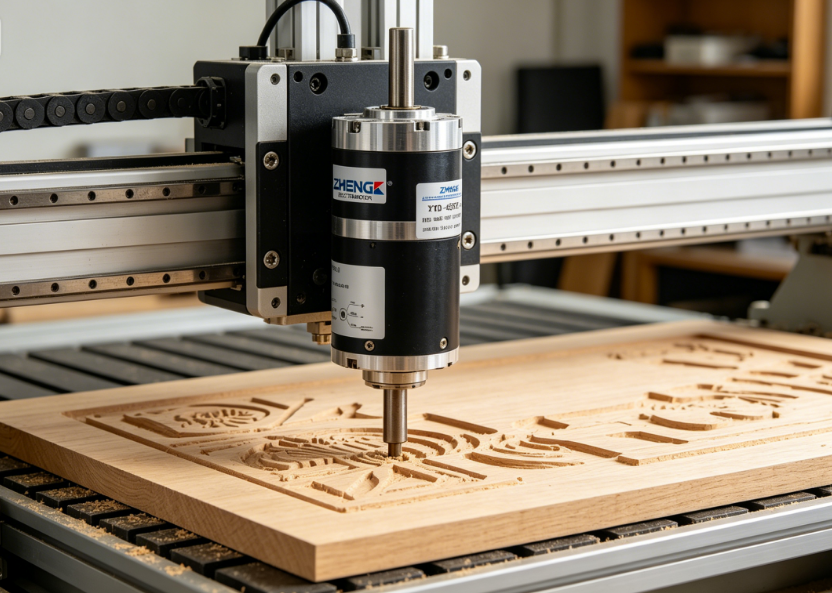
Why Brushless Motors Are Winning in Compact Applications
Longer life without maintenance
No brushes to wear out. A brushless motor in a small air purifier can run for years without opening the device.
Higher efficiency in tight spaces
Small devices rely on battery power or limited energy budgets. Brushless designs convert more electricity into motion, generating less heat. This is critical for portable gadgets.
Quiet and smooth
No brush friction means less electrical noise and lower audible sound. A brushless fan in a desktop projector is barely noticeable, while a brushed version would whine.
Better speed and torque control
Electronic commutation allows precise speed regulation without extra sensors. For applications like tiny pumps or gimbals, this is a game‑changer.
Where You See the Shift
Personal care – Electric toothbrushes and shavers are rapidly moving to brushless for quieter, more reliable operation.
Small robotics – Hobby and educational robots now often specify brushless Motor Drives for their wheel motors.
Portable medical devices – Infusion pumps and handheld diagnostic tools benefit from the longer life and lower EMI.
Miniature cooling fans – Laptops, projectors, and 5G hotspots use brushless fans to keep noise down.
What About Traditional PMDC Geared Motors?
The classic PMDC Geared Motor permanent magnet DC with gearbox is not disappearing. It remains the cost‑effective choice for many low‑duty, price‑sensitive applications like toy winches or simple actuators. But as brushless electronics become cheaper, even these are being challenged. Today, a brushless motor with an integrated controller can fit into a 20mm diameter housing, something unthinkable five years ago.
For designers, the decision is no longer “can I afford brushless?” but “can I afford not to?” in products where reliability and user experience matter.
FAQ:
Q: Is a PMDC geared motor still relevant for small devices today?
A: Yes, PMDC geared motor units are still widely used for very cost‑sensitive, low‑duty applications. However, for devices that run frequently or need quiet operation, a brushless motor is becoming the preferred choice.
Q: What is the main barrier to brushless motors in small devices?
A: Historically, the cost of the electronic controller and the motor itself was higher. But as production volumes increase and integrated driver chips get cheaper, the price gap is shrinking. For many consumer products, the longer warranty and better user experience justify the small premium.


