

Micro DC Motors Match with Gearboxes
When designing a motion control system, the motor alone rarely meets the application’s needs. A micro dc gear motor combines a high-speed 12v electric motor with a precision gearbox to deliver the torque and speed your device actually requires. But how do you match these two components effectively? Getting the pairing right ensures optimal performance, efficiency, and reliability for your application.
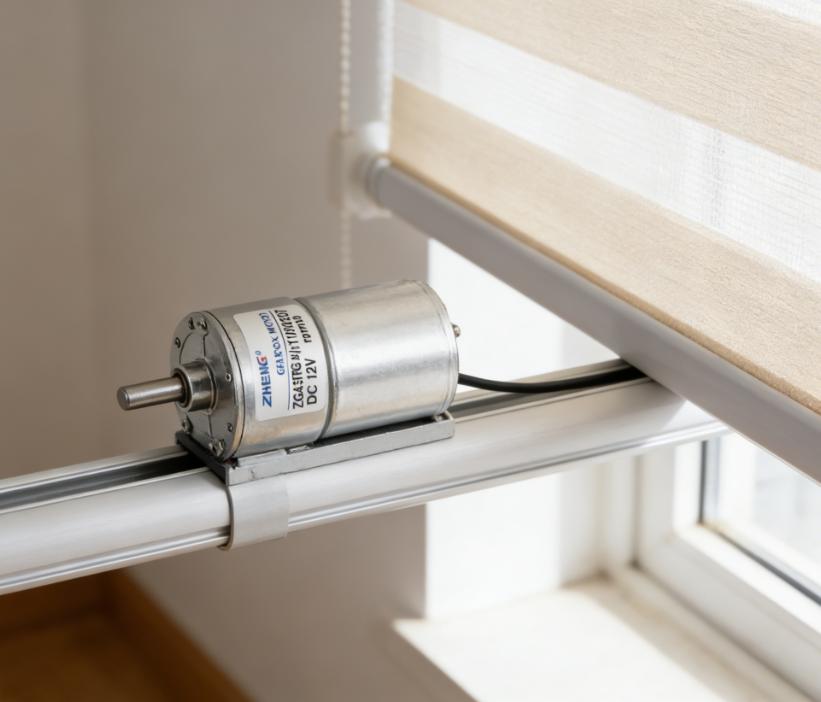
Key Factors in Motor-Gearbox Matching
1. Start with Output Requirements
Begin by defining what your application needs at the final output shaft. Ask yourself:
What torque is required to move the load?
What speed (RPM) does the output need?
Is the load constant or variable?
These specifications will guide your entire matching process. For example, a 25mm dc gear motor with a 100:1 reduction transforms a fast, weak spin into a slow, powerful rotation suitable for lifting or driving wheels.
2. Understand the Trade-Off
The fundamental relationship between motor and gearbox is simple: speed reduction multiplies torque. A brushed gear motor with a 10:1 gearbox produces ten times the torque at one-tenth the speed of the motor alone. This allows a compact micro dc gear motor to move loads that would otherwise require a much larger motor.
3. Consider Motor Operating Point
A motor operates most efficiently within a specific speed and torque range. When selecting a torque gear motor, ensure the motor’s optimal operating point aligns with your application’s needs after gear reduction. Overspecifying can waste energy and increase cost.
4. Physical Integration Matters
The physical fit between motor and gearbox is critical:
1. Shaft diameter and length must match the gearbox input
2. Mounting holes and flange patterns must align
3. Overall length after assembly must fit your space constraints
A metal geared motor offers superior durability for demanding applications, while plastic gears may suffice for lighter loads.
5. Account for Backlash and Efficiency
Gearboxes introduce some backlash (mechanical play) and reduce overall efficiency. Planetary gearboxes offer low backlash and high efficiency, while spur gear designs are more economical but may have more play. For precision positioning, choose a dc motor gear motor with minimal backlash.
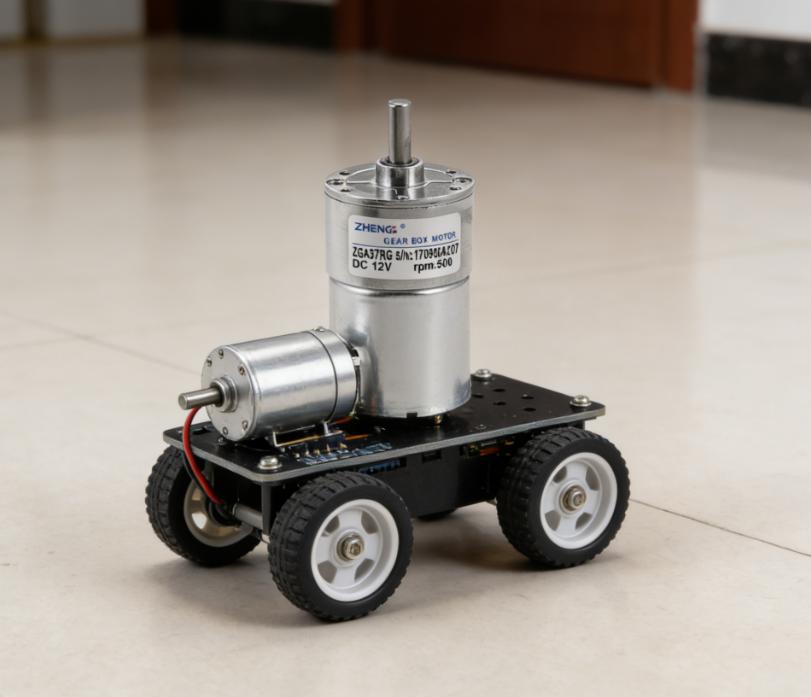
Motors FAQ
Q: How do I calculate the gear ratio I need?
A: Divide the motor’s no-load speed by your desired output speed. For instance, if your 12v dc motor speed is 10,000 RPM and you need 100 RPM output, you need a 100:1 ratio. Remember to consider that actual loaded speed will be lower than no-load speed.
Q: What’s the difference between a brushed gear motor and a brushless version?
A: A brushed gear motor is simpler and more economical, ideal for intermittent or cost-sensitive applications. Brushless versions offer longer life and higher efficiency but require electronic control. For most compact applications, a quality micro dc gear motor with brushes provides excellent value.
Q: Why would I choose a 25mm dc gear motor over other sizes?
A: The 25mm dc gear motor format offers an excellent balance of power and compactness. It’s widely available with various gear ratios and is a popular choice for robotics, medical devices, and automation where space is limited but torque requirements are significant.
Q: How important is the gearbox material?
A: Very important for durability. A metal geared motor withstands higher loads and longer operating life than plastic-geared versions. For continuous-duty or high-torque applications, always specify metal gears. For light, intermittent use, plastic may be acceptable and more cost-effective.
Q: Can I pair any 12v electric motor with any gearbox?
A: Not without consideration. The motor’s shaft size, mounting pattern, and torque characteristics must match the gearbox. Additionally, the gearbox must be rated for the motor’s power output. Reputable suppliers offer pre-matched dc motor gear motor assemblies designed for optimal compatibility.
Q: What‘s the typical efficiency loss through a gearbox?
A: Single-stage spur gearboxes typically achieve 85-95% efficiency. Multi-stage or worm gearboxes have lower efficiency, sometimes 50-70%. For battery-powered applications, choose a micro dc gear motor with high-efficiency gearing to maximize runtime.


