

No images found.
Can DC Motors Be Operated at Overvoltage?
For anyone involved in the use of electric motor applications, it is important to know if DC motors can withstand excessive voltage. The voltage rating on a motor indicates the voltage required for the motor to function properly, but many users are left wondering what happens when this voltage is exceeded. This article discusses the risks, signs of damage and the overall reliability of the motor in such circumstances.
Input Voltage Tolerance and Its Limits
Every DC motor has a specific range of voltage tolerance that indicates the allowable variation for the same motor. Higher than necessary voltage levels can damage the motor dramatically and may lead to the burning of the windings or insulation collapse. An occasional excess in voltages does not harm the motor straight away but continued overload on the motor will lead to shortened service life of the motor.
Effects of Overvoltage on Motor Performance
Overvoltage can cause a rise in speed in a DC motor because of the greater supply voltage. Unfortunately, the increase in speed necessarily means that excessive heat will be produced in the windings of the motor. The increase in winding temperature comes with the risk of overheating, leading to burnout, commutator damage and aging of the insulation.
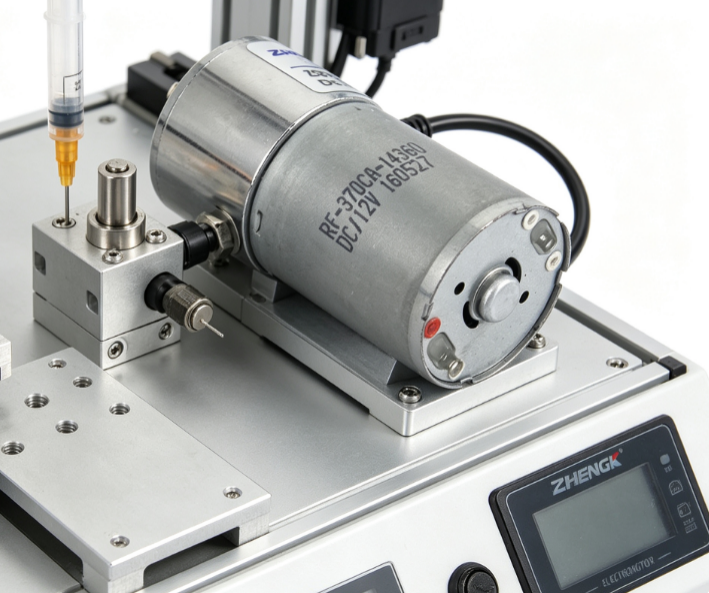
Moreover, electrical components such as brushes can also wear out more quickly owing to the increased current in case of working under over voltage conditions. The transient voltages can influence the operation of the motor and make it less stable thereby causing the unpredictable performance or complete shutdown.
Signs of Damage from Long-Term Overvoltage Operation
There are some signs that indicate that the DC motor is being exposed to overvoltage conditions for a long time. These are mentioned below:
1.Unusual vibrations or noise during operation
2.Overheating, noticeable by a hot exterior
3.Inconsistent Motor Speed and Torque Output
4.Visible wear or damage on the brushes and commutator
Temporary Overvoltage: Is It Acceptable?
The question arises: can short-term, temporary overvoltage occur in normal DC motors? In some cases, a brief overvoltage does not create immediate damage. However, it is essential to track how long the overvoltage lasts. Brief surges occurring continuously or repeatedly may lead to cumulative damage.
What Damage Occurs from Constant Overvoltage?
Operating a DC Motor continuously at excessive voltage levels could lead to serious breakdowns. The major hazards are:
–Winding Burnout: Excessive heat from prolonged overcurrent can burn the motor windings, leading to short circuits.
–Commutator Damage: Increased wear on the commutator can lead to severe performance drops and eventual motor failure.
–Insulation Aging: Overvoltage causes stress on insulation materials, resulting in premature breakdown.
Final Thoughts on Operating DC Motors at Overvoltage
Running DC motors beyond their rated voltage is a dangerous practice, capable of resulting in serious damage to the motor and a shortened lifespan. An understanding of permissible voltage levels, effects of voltage overload on the motor, and the signs of overvoltage damage can prevent the big problem. While temporary overvoltage may be acceptable under certain conditions, constantly exceeding a motor’s ratings will lead, without question, to bad effects. Always make the voltage correction a priority.
Can a DC motor be operated at a voltage higher than its rated voltage?
Can DC Motors Be Operated at Overvoltage? For anyone in […]


